Best Smart Speakers in 2026
Smart speakers in 2026 are reliable enough that the voice assistant and ecosystem compatibility usually matter more than speaker quality. But speaker quality still varies enormously — from the $49 Echo Dot's acceptable audio to the HomePod's reference-quality room-filling sound.
Updated June 22, 2026
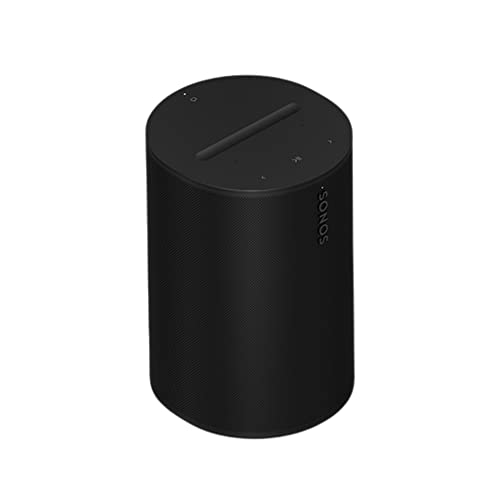
Sonos Era 100
Sonos Era 100 delivers the best audio quality of any sub-$300 smart speaker — period. The dual-tweeter design creates a wide stereo image that sounds larger than the cabinet, and Sonos's tuning avoids the over-boosted bass that plagues Amazon and Google speakers.

Apple HomePod (2nd Gen)
Apple HomePod 2nd Gen sounds remarkable for its size, using computational audio to adapt its response to the room's acoustics in real time. Siri is less capable than Alexa for third-party integrations, but HomeKit is the most privacy-forward smart home platform.
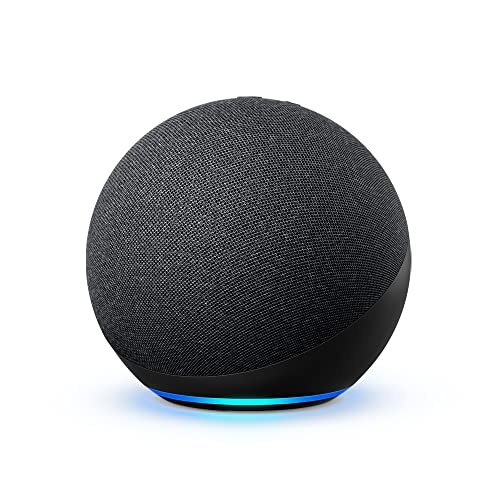
Amazon Echo (4th Gen)
Echo 4th Gen is the best-sounding Echo speaker by a significant margin over the Echo Dot, with a round fabric design, Zigbee hub built in, and Alexa that connects to more third-party smart home devices than any other assistant. The obvious choice for Amazon ecosystem users.

Google Nest Hub (2nd Gen)
Google Nest Hub 2nd Gen adds a 7-inch display to a smart speaker, making it useful as a kitchen recipe display, a video call screen, and a sleep tracker with its Soli radar sensor. Google Assistant's search capabilities remain superior to Alexa for general knowledge questions.
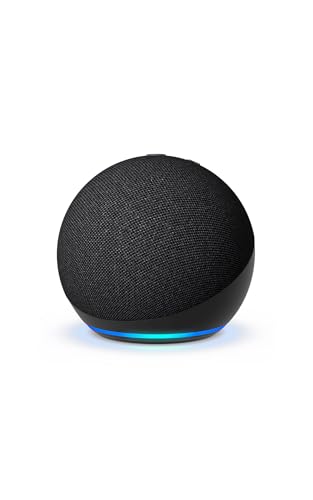
Amazon Echo Dot (5th Gen)
Echo Dot 5th Gen at $49 is the easiest smart home starting point — good enough audio for music in a bedroom or kitchen, Alexa built in, and routines that can control other smart home devices. The bass radiator added in the 5th generation is a real improvement over the previous model.

Apple HomePod mini
HomePod mini at $99 is the best speaker for Apple ecosystem users on a budget. Sound quality exceeds what the tiny orb suggests, and it functions as an Apple TV audio output, Intercom between rooms, and thread border router — making it a useful smart home hub despite its compact size.
Side-by-Side Comparison
| Product | Score | Price | Audio | Connectivity | Smart Hub | Dimensions |
|---|---|---|---|---|---|---|
Best Sound Quality | 8.5 | $249 | 2x Class-D amps, tweeter array + mid-woofer | Wi-Fi 6, Bluetooth 5.0, USB-C line-in | Alexa, Google Assistant, AirPlay 2 | 7.1" × 4.7" × 4.7" |
Best for Apple Users | 7.9 | $299 | 4-inch high-excursion woofer + 5 tweeters | Wi-Fi 6, Bluetooth 5.3 | Matter, Thread, Siri | 6.6" tall × 5.6" diameter |
Best Alexa Smart Speaker | 8.8 | $99 | 3" woofer + dual front-firing tweeters | Wi-Fi 6, Bluetooth 5.0, Zigbee hub | Zigbee, Matter, Thread | 5.7" × 5.7" × 5.2" |
Best for Google Home Users | 8.5 | $99 | Full-range speaker | Wi-Fi 5, Bluetooth 5.0 | Matter, Thread | 7.0" × 4.65" × 2.65" |
Best Budget Smart Speaker | 8.8 | $49 | 1.73" front-firing speaker | Wi-Fi 4 (dual-band), Bluetooth 5.2 | — | 3.9" × 3.9" × 3.5" |
Best Compact Apple Speaker | 8.1 | $99 | Full-range driver + passive radiators | Wi-Fi 6, Bluetooth 5.0, Thread | HomeKit, Matter, Thread border router | 3.3" tall × 3.4" diameter |
What to Look for When Buying
Pick your ecosystem first, speaker second. A Google speaker won't control your Ring doorbell well; an Alexa speaker won't integrate deeply with Apple HomeKit; a Siri speaker won't answer general knowledge questions as reliably as Google. Your existing devices determine which ecosystem you're already in — and it's worth staying there for reliability.
Matter support is relevant if you want to mix ecosystems in the future. Matter is a smart home standard that lets devices work with multiple assistants simultaneously. Amazon Echo, Google Nest, and Apple HomePod all support Matter hubs now, so any Matter-compatible device you buy today will work with any smart speaker you might buy later.
Sound quality for music: Amazon and Google speakers emphasize bass and volume over accuracy. Sonos and Apple HomePod tune for accuracy and realism. If music is secondary to smart home control, the cheaper option is fine. If you listen seriously and want a speaker that works hands-free, HomePod or Sonos are worth the premium.
Privacy: all smart speakers use always-on microphones that activate on wake words. Amazon and Google use cloud processing for everything; Apple processes many requests on-device. If privacy is a concern, Apple HomePod is meaningfully better — Apple doesn't have an ad-supported business model that creates incentives to analyze voice data.
Want to see every Smart Home we've reviewed?
Browse All Smart Home →Affiliate Disclosure: TechPicksPro participates in affiliate programs including the Amazon Associates Program. When you purchase through links on our site, we may earn a small commission at no additional cost to you. This helps us keep the lights on and continue publishing independent reviews. Our editorial opinions are always our own.