ASUS ROG Zephyrus G16 (2024) vs Razer Blade 15 (2024)
ASUS ROG Zephyrus G16 ($2,499) and Razer Blade 15 ($2,499) are the two most-compared premium gaming laptops. At the same price, they make very different trade-offs: Zephyrus G16 maximizes display quality and thermal performance; Razer Blade 15 prioritizes build quality and aesthetics.
Updated June 22, 2026

Quick Verdict
Zephyrus G16's larger chassis and more aggressive cooling extracts more sustained GPU performance under load.
OLED panel at 240Hz beats Razer's IPS panel in contrast, color volume, and pixel response time.
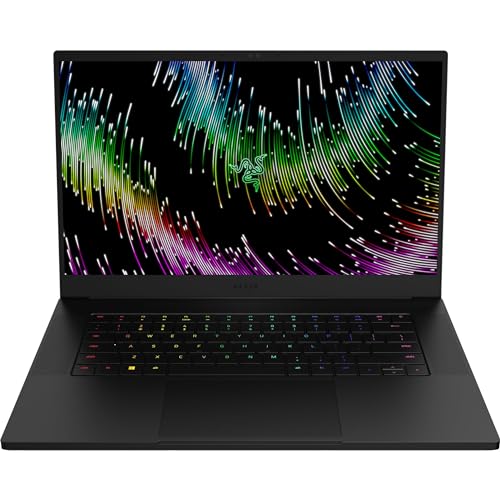
Razer's CNC-milled aluminum construction is the most premium-feeling gaming laptop chassis available.
Razer Blade 15 looks like a premium ultrabook, not a gaming laptop — ideal for professional settings.
Zephyrus G16 delivers better display and more sustained performance at the same price point.
Detailed Comparison
RTX 4080 Laptop GPU in a thermally optimized chassis. ASUS's Tri-Fan technology maintains higher sustained GPU clocks than competing designs in the same thin form factor.
RTX 4070 Ti or 4080 in CNC-milled aluminum. Excellent performance but thermal constraints in the slim chassis limit sustained clock speeds slightly.
16-inch QHD+ OLED 240Hz, 2560×1600, 100% DCI-P3, 0.2ms response. Best gaming display we've tested on a laptop.
15.6-inch QHD IPS 240Hz, 2560×1440, 100% DCI-P3. Excellent display, but IPS contrast and response time trail OLED.
Magnesium alloy chassis, slim bezel design. Excellent build quality but clearly a gaming aesthetic with ROG branding.
CNC-milled aluminum chassis with minimalist design. The most premium-feeling gaming laptop available. Looks like an ultrabook from a distance.
About 8–10 hours for light work, 2–3 hours gaming. Standard for this GPU tier.
About 6–8 hours for light work, 2–3 hours gaming. Slightly shorter due to the metal chassis thermal demands.
4.4 lbs. Slim for an RTX 4080 laptop but still heavy enough to feel like a gaming machine in a bag.
5.5 lbs. Heavier than Zephyrus G16 despite the smaller 15.6-inch form factor. Noticeable in daily carry.
Specs at a Glance
| Spec | ASUS ROG Zephyrus G16 (2024) | Razer Blade 15 (2024) |
|---|---|---|
| Price | $2,499 | $2,499 |
| Our Score | 8.5 / 10 | 8.2 / 10 |
| Processor | AMD Ryzen 9 8945HS | Intel Core i9-14900HX |
| RAM | 16 GB – 32 GB DDR5 | 16 GB – 32 GB DDR5 |
| Storage | 1 TB – 2 TB NVMe SSD | 1 TB – 2 TB NVMe SSD |
| Display | 16" OLED, 2560×1600, 240Hz | 15.6" QHD, 2560×1440, 240Hz |
| Battery | 90 Wh, 6–8 hours (light use) | 80 Wh, 4–8 hours |
The Bottom Line
Zephyrus G16 wins for gaming performance and display quality. The 240Hz OLED panel is among the best gaming displays we've tested on a laptop, and ASUS's thermal design extracts more sustained GPU performance than the Blade at the same price.
Razer Blade 15 wins if aesthetics and build quality matter as much as gaming performance. Its CNC-milled aluminum chassis feels genuinely premium in a way that even ASUS's best designs don't quite match. If you want a gaming laptop that doesn't look like a gaming laptop, Blade wins.
Affiliate Disclosure: TechPicksPro participates in affiliate programs including the Amazon Associates Program. When you purchase through links on our site, we may earn a small commission at no additional cost to you. This helps us keep the lights on and continue publishing independent reviews. Our editorial opinions are always our own.